 |
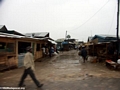
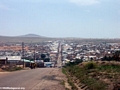
This region has experienced a sapphire rush over the past few years and many Malagasy have come to seek their fortune in the frontier town of Ilakaka. Just prior to reaching the town, which now has roughly 60,000 people, we see the shantytowns where poor families camp in tiny wooden lean-tos. A family of four may live in a dwelling no more than a couple of feet high. They come with the intention of striking it rich and heading back to their home villages but end up getting trapped in the system where Malagasy workers are exploited by foreigners (mostly Sri Lankans, Thais, and Pakistanis) who make vast sums of money (by Madagascar standards) and are known smuggle large amounts of gems out of the country. The side streets are mud, hundreds of people mill about on the main street, armed soldiers patrol, young men huddle together trading, and gem shops line the road.
Find a mistake? Want to submit pictures or content? Contact WildMadagascar.org
|
WILDMADAGASCAR.ORG WildMadagascar.org aims to raise interest in Madagascar, a land of cultural and biological richness
SUPPORT You can help support wildmadagascar.org by using this link to buy from Amazon.com.
|




|
home | photos index | search | about | contact Unless otherwise noted, all content and images are the property of Rhett Butler, content copyright 2004-2019. All rights reserved. |